A Legacy of Excellence in Social Work Education
100+ Years
of Social Work Education Excellence
#12 Ranked
School of Social Work by U.S. News & World Report
15% Higher
First-Time Licensure Pass Rate
$30+ Million
in Research Projects
For over a century, the University of Pittsburgh’s School of Social Work has prepared courageous leaders to transform the world. By addressing key issues in health, mental health, child welfare, policy and community organizing, we empower students to improve the well-being of individuals, families and communities locally and globally in a community-engaged and inclusive environment. Today, we’re more committed than ever to eradicating complex social problems with innovative approaches that promote social justice and racial equity. Learn more about our legacy.
Adaptable
Part-Time Program
Earn your degree while working and meeting your personal commitments. Eligible applicants may also qualify for Advanced Standing and complete the MSW in less time.
100%
Asynchronous Online Coursework
Complete coursework from anywhere, while enjoying direct access to faculty and peers.
1
Specialization
Earn a specialization in Direct Practice with Individuals, Families and Groups.
2
Practicum Experiences
Participate in two career-relevant curated practicum experiences near you—which can include your place of employment—arranged through our supportive process.
4
Certificates
Pursue your choice of a certificate in Children, Youth, and Families; Integrated Healthcare; Mental Health; or Gerontology.
In-State Tuition Rate
for Online Students
Pay the in-state tuition rate, regardless of residency.
An MSW Designed for Today’s Unique Challenges
Our Part-Time Online MSW program option offers students the opportunity to become transformative change makers by elevating their knowledge and honing their skills to succeed as advanced social work practitioners. Building on our school’s historical legacy and long-standing traditions of educational excellence and deep commitment to the principles of justice and equity, our Pitt degree combines classroom and applied learning experiences to prepare students to serve people in their communities with compassion and humility.
Now More Than Ever, the World Needs Skilled Social Workers
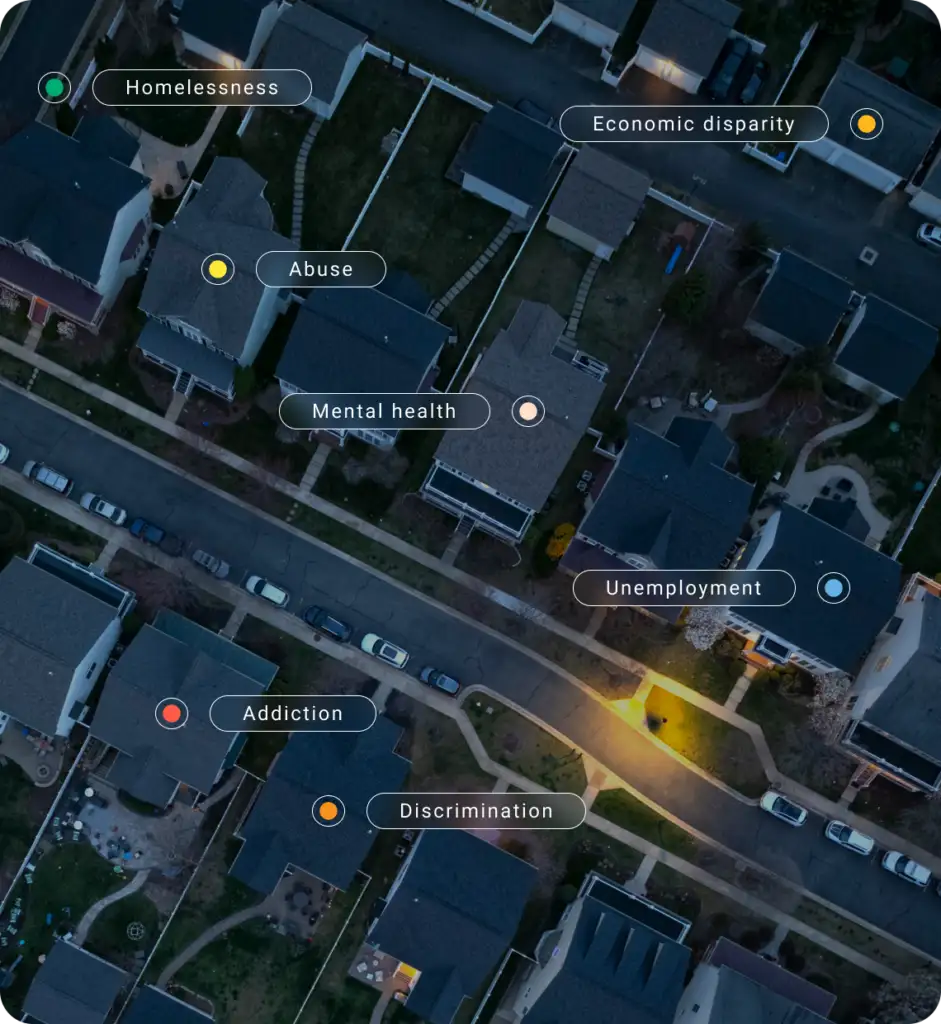
Nationwide, an increasing number of people face challenges related to mental health, economic disparity, homelessness, unemployment, aging, discrimination and substance use. To meet this growing need, today’s social workers must possess the skills to enhance the quality of life for all by practicing a person-in-environment framework with a knowledge based on scientific inquiry, global perspective and respect for human diversity.
According to the U.S. Bureau of Labor Statistics (BLS), employment of social workers is projected to grow almost twice as fast as the average for all other occupations through 2033. While there are a host of social work career paths available, many social workers choose to help address the demand for mental health care.
BLS forecasts employment of social workers in mental health-related occupations will grow 12%—three times as fast as the average for all other occupations—between now and 2033. Indeed, according to the Substance Abuse and Mental Health Services Administration (SAMHSA), social workers constitute the nation’s largest group of mental health services providers, outnumbering psychiatrists, psychologists and psychiatric nurses combined.
Strengthening Communities.
Lifting Those in Need.
Our Commitment to Anti-Racism and Anti-Oppression
Our school’s vision to transform—our world, our future and ourselves—cannot be accomplished without centering anti-racism and anti-oppression as essential and nonnegotiable commitments. Our MSW curriculum prioritizes these critical values, ensuring students are prepared to address complex social challenges and advocate for those who face barriers to achieving their fullest potential. At the University of Pittsburgh’s School of Social Work, we live our commitment to social justice and always are working to become a more inclusive and welcoming school.
Learning more about how we implement our vision:
Dean’s message Research Center on Race and Social ProblemsCurriculum
Gain the Skills To Effect Meaningful Change
Firmly grounded in the values of the social work profession, our Part-Time Online MSW program option prepares students to promote the collective well-being of people in their communities and succeed as capable and effective practitioners. With 100% asynchronous online coursework, the curriculum allows students to complete coursework from anywhere, while in-person practicum experiences help translate learning into direct application.
Specialization
The Direct Practice with Individuals, Families and Groups specialization prepares students to provide immediate support to serve the needs of diverse populations.
Certificates
Students can further tailor their studies by pursuing a certificate in one of four areas: Children, Youth and Families; Integrated Healthcare; Mental Health; or Gerontology.
Practicum
Students participate in in-person practicum experiences to translate learning into direct application, completing a generalist experience and a specialization experience.
Transform Your Community as a Direct Practice Social Worker
Online students specialize in Direct Practice with Individuals, Families and Groups, gaining the skills to deliver effective, evidence-informed interventions to diverse populations. They learn to engage, assess and intervene with clients and become self-reflective practitioners who display cultural humility. Upon graduating, students possess the skills to advocate for human rights and promote social, economic and environmental justice in the U.S. and globally. Those enrolled in our in-person program choose from specializations in Direct Practice and Community, Organization and Social Action (COSA).
Certificates
Students can further specialize their studies by earning a certificate in one of four areas: Children, Youth and Families; Integrated Healthcare; Mental Health; and Gerontology. Students complete required and elective courses along with specialized practicum work to earn the certificate, which appears on their diploma. Earning a certificate does not extend one’s time in the MSW program.
- Children, Youth and Families
Learn to provide services and interventions to children, youth, young adults and families in a range of public and private settings. - Integrated Healthcare
Gain the skills to work with individuals, families and groups in a variety of institutional and health-related settings. - Mental Health
Prepare for professional practice with individuals, families and groups with mental/behavioral health challenges. - Gerontology
Prepare to support older adults and their families, focusing on client and family strengths, as well as the social, cultural, and policy contexts of aging that both inform and are influenced by social work practice.
Practicum
The Community Is Our Classroom
Students participate in career-relevant practicum experiences to translate learning into direct application. Students complete a generalist experience during their first year focused on foundational social work practice, and a specialization practicum in their final year emphasizing work with individuals, families and groups. Pitt SSW provides a supportive process for identifying each student’s practicum placement, which, when appropriate, may include a student’s place of employment.
The Practicum Experience at a Glance:
- Identify placement based on your areas of interest, receive dedicated placement support and benefit from Pitt’s extensive partner network*
- Spend approximately 12-16 hours per week at your generalist and specialist practicum sites (totaling 1080 practicum hours)
- May include hours spent at your current place of employment (as assessed and determined by your practicum advisor)
- Receive ongoing support from faculty and staff
*The Pitt practicum team is committed to working with you to find a suitable placement. However, please note that available sites may not always align perfectly with specific interests and schedules. So, students may need to remain open and adaptable in their preferences.
Practicum Highlights: Social Work in Action
“My placement has been amazing, giving me the chance to learn and grow in so many areas of social work. It’s helped me build real-world skills and has me feeling more confident and ready for whatever comes next in my career.”
– Ashleigh Trudell, Master of Social Work, Class of 2025
“At Pitt’s School of Social Work, we are a community that cares deeply, thinks critically and acts purposefully, pushing forward with integrity, knowledge, expertise and dedication. The world desperately needs skilled social workers—and at Pitt, we’re committed to launching the next generation of leaders, scholars and transformers to do this vital work.”
— Betsy Farmer, Dean, School of Social Work
FAQ
A Master of Social Work degree is a graduate-level degree that prepares students to succeed in advanced social work practice. MSW programs typically offer concentrations in specialized areas that align with career paths in the field. Students enrolled in Pitt’s Part-Time Online MSW program option specialize in Direct Practice with Individuals, Families and Groups and can earn an optional certificate in Children, Youth and Families; Integrated Healthcare; Mental Health; or Gerontology.
Pitt students pursuing a part-time MSW online typically earn their degree in 3 years. Please note that this time may vary depending on the number of credits you take each semester.
Find out about Pitt’s full-time Master of Social Work program
Advanced practice social workers who have earned an MSW and specialized in Direct Practice with Individuals, Families and Groups pursue careers in hospitals; mental health, behavioral health, and counseling agencies; private practice, substance use therapist; child- and family-serving organizations; child welfare; case management programs; senior services; school social work programs; and integrated healthcare settings, among other areas.
Many social workers choose to meet the increasing nationwide demand for mental health care. According to the Substance Abuse and Mental Health Services Administration (SAMHSA), social workers constitute the nation’s largest group of mental health service providers, outnumbering psychiatrists, psychologists and psychiatric nurses combined. The U.S. Bureau of Labor Statistics forecasts that employment in mental health-related occupations will grow 12%—three times as fast as the average for all other occupations—between now and 2033.
Where Social Work Meets Social Justice
At Pitt, we’re committed to transforming our world, our future and ourselves.
We develop and sustain collaborative partnerships to understand, prevent and ameliorate complex social problems with innovative approaches that promote justice and equity.